

No products in the cart.
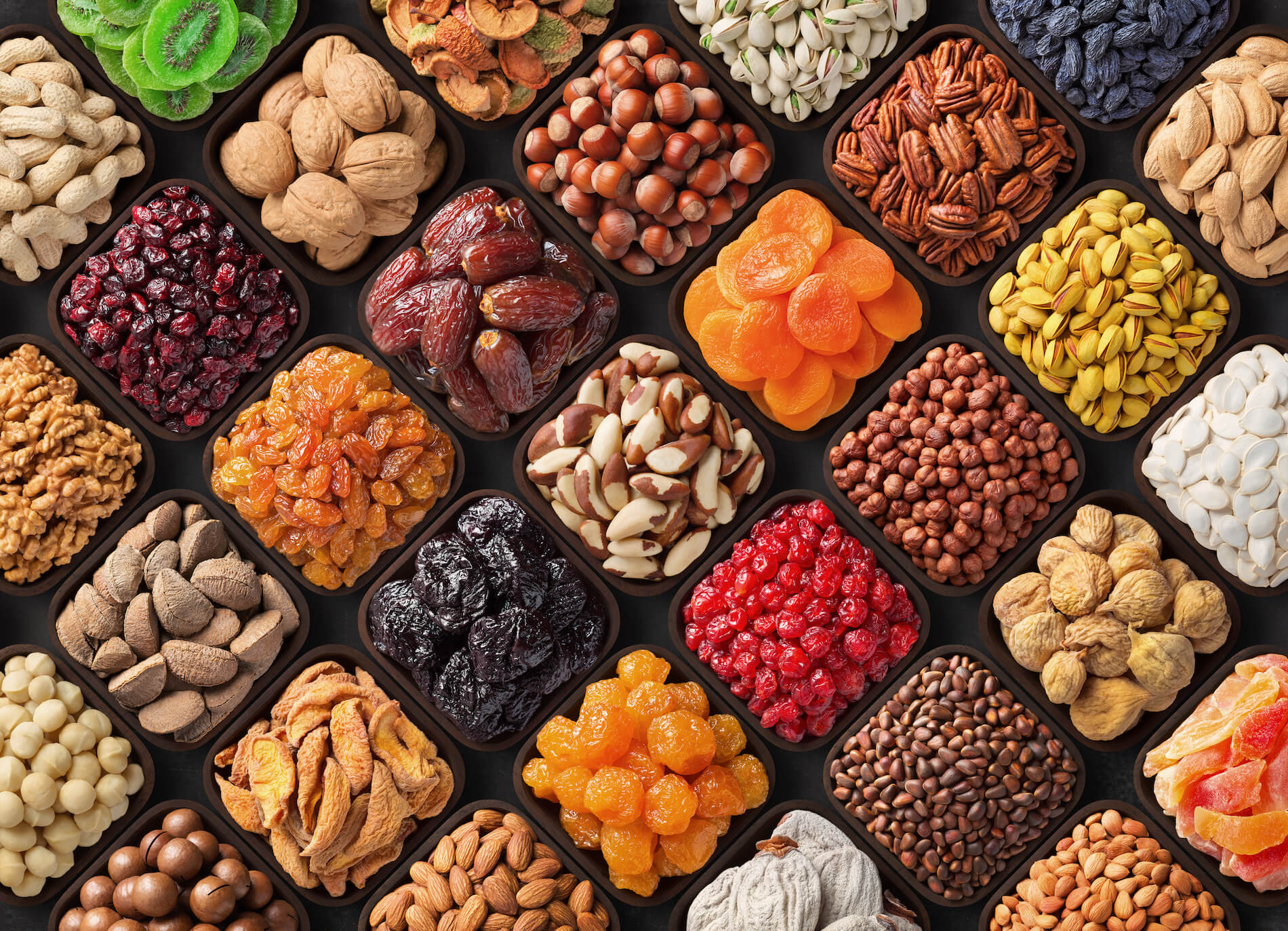
Cranberries and cranberries – what are the differences between them?
Nature has given us two very interesting fruits, which, due to the similarity of their names in Greek, have managed to confuse us quite a bit. The cranberry and the cranberry. A quick search on the internet reveals that they are confused to such an extent that they are thought to be the same fruit!
The most common mistake is therefore the nominal one, which causes many people to confuse them as different. Cranberries have no relation to the foreign cranberries, whose Greek name is fingi and oxycoccus, and are more closely related to blueberries than to cranberries.
Cranberries are evergreen shrubs, while cranberries are forest trees, indigenous, long-lived, deciduous, and self-seeding. In our country, they are also found as shrubs. The fruits of the cranberry are red and shiny with relatively broad leaves, while the fruits of the cranberry are dark purple in color with much thinner and denser leaves.
Cranial
Cranberries have extremely powerful antioxidant properties as they contain vitamins C and E, carotenoids, and phenolic compounds. They are also rich in iron, carotene, and tannins, as well as flavonoids, anthocyanins, and phenolic compounds.
The cranberry blooms early in the winter months of January and February, while its fruiting period is in the autumn months of October and November. Its leaves are lanceolate with a slight difference in color between the inner and outer sides. It is a plant that can withstand very low temperatures reaching -25℃. It is a particularly widespread plant in Europe and in our country.
It is a valuable and interesting plant, as its medicinal and therapeutic properties have been known since ancient times. It is one of the few plants that does not require special care other than watering, while the absence of natural enemies and diseases makes spraying unnecessary and allows it to be grown organically! Consequently, with no fertilization and no spraying, its fruit is completely organic.
Cranberry
More and more research is proving its positive effects on our body. It is rich in antioxidants, which protect against cancer, strengthen the heart, and prevent urinary tract infections.
Cranberries are a unique fruit. They can only grow and survive under a very specific combination of factors. These factors include acidic soils, an adequate supply of fresh water, and a growing season that extends from April to November. It is a fruit native to North America.
Thanks to its powerful anti-inflammatory properties, cranberry shows promise for cardiovascular health, as it may help combat chronic inflammation associated with the development of arterial plaque.
-
 Cadbury Lotus Biscoff dairy milk chocolate bar – 95g3,90€
 -
 Organic sesame seeds natural – BioAgros – 350g3,50€
 -
 Organic white quinoa – BioAgros – 250g3,00€
 -
 Glycine powder 100% – NoCarb – 250g9,99€
 -
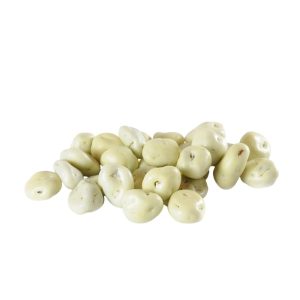 Cranberries coated with yogurt and white chocolate – NutsBoxFrom 2,30€
 -
 Waffle with chocolate and honey – The Bee Bros – 120g5,90€
 -
 Waffle with vanilla and honey – The Bee Bros – 120g4,20€
 -
 MrBeast milk chocolate – Feastables – 60g3,90€
 -
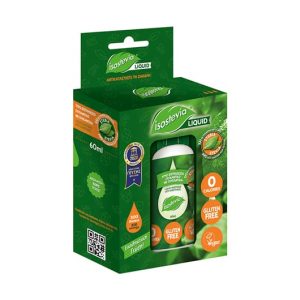 Stevia sweetener drops – Isostevia – 60mL4,50€
 -
 NutsBox Snack PackProduct on saleFrom 13,70€
 -
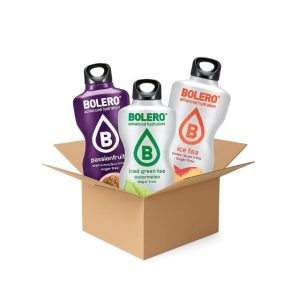 Bolero Drinks Mix BoxProduct on saleFrom 12,20€
 -
 Medjool date paste – HealthTrade – 1000gProduct on saleOriginal price was: 7,50€.6,90€Current price is: 6,90€.
 -
 International Corner Mystery BoxFrom 20,00€
 -
 Cashews with truffle flavour – Pellito – 120gr3,80€
 -
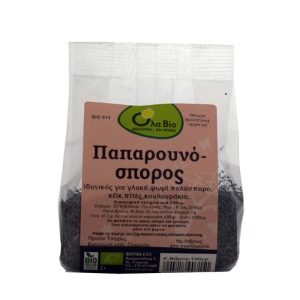 Organic poppy seeds – Ola Bio – 100g2,30€
 -
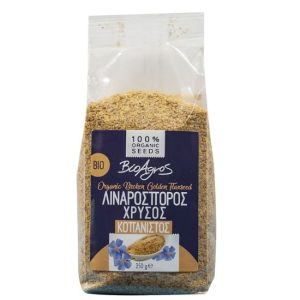 Organic golden crushed flaxseed – BioAgros – 350g3,10€
 -
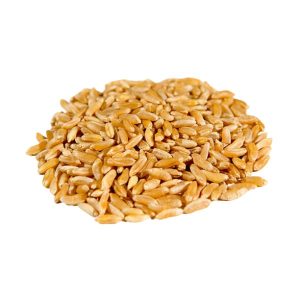 Greek peeled wheat grains – NutsBoxFrom 1,70€
 -
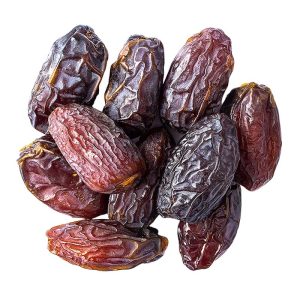 Medjool dates – NutsBoxProduct on saleFrom 1,50€
 -
 Lotus Biscoff cookies caramelizedFrom 1,50€
 -
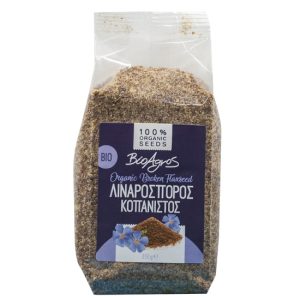 Organic brown crushed flaxseed – BioAgros – 350g2,30€
Dried cranberries are particularly popular, and you can find them at NutsBox in excellent quality and without added sugar.